

MEMOIRS
The stories that rarely get written down.

Most families do not notice what is missing until it is no longer possible to recover it.
A parent grows older. A grandparent passes. Details begin to soften, then disappear. Stories that once felt obvious start to slip out of reach.
Intention is rarely the issue; time usually is.
People plan to ask the questions. They assume there will be a better moment to capture everything properly. Life moves, priorities shift, and those conversations are pushed further away.
A memoir brings that forward. It captures a version of someone while it can still be shared clearly, in their own words, with the detail that gives it meaning.
When done well, memory becomes something more stable. Something that can be revisited, not reconstructed.
/ STORIES FEEL PERMANENT. THEY ARE NOT.
Every family carries moments that only a handful of people truly understand.
- Early chapters that shaped everything that followed
- Decisions that changed direction
- Experiences that explain who someone is beyond the role they play today.
Familiarity makes these stories feel safe. In reality, they are fragile.
Putting them into a considered narrative allows them to exist beyond recollection.
- It gives future generations context instead of assumptions
- Grandchildren inherit more than just fragments
- It ensures a life is understood with clarity, not pieced together over time
Families hold onto something that does not shift with memory.
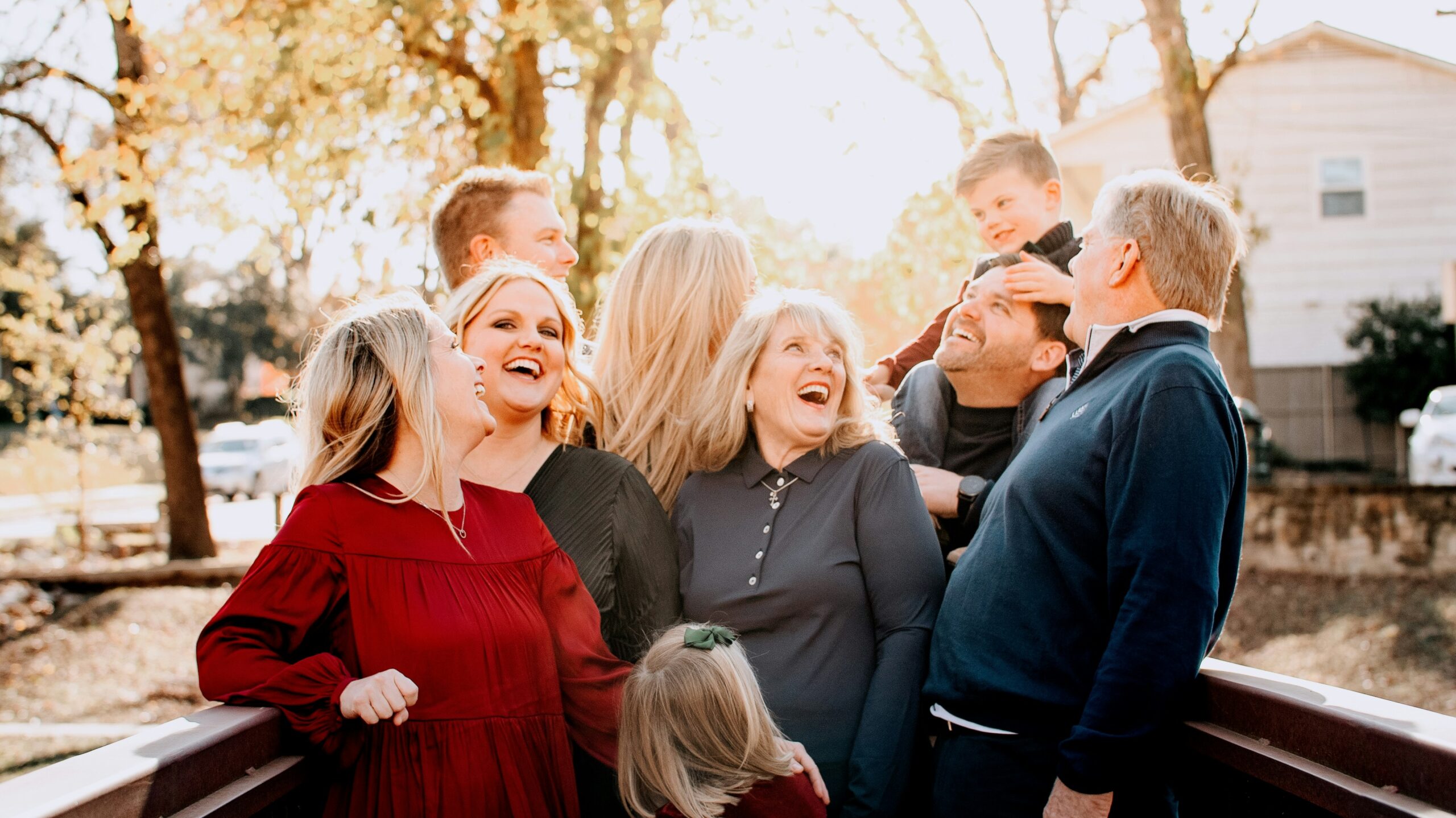
What happens when nothing is recorded
Without structure, stories do not hold their shape.
• Details fade or become inconsistent
• Key moments lose their context
• Different versions emerge across the family
• Meaning becomes diluted
• What once felt clear becomes difficult to explain
Recreating those stories later is rarely accurate.
/ A STRUCTURED PROCESS BRINGS CLARITY TO A LIFE
This work starts with a conversation, not a questionnaire.
We focus on what actually matters, not just what happened. The emphasis sits on the moments that shaped direction, the decisions behind them, and the perspective that ties it together.
From there, everything is shaped into a narrative that feels natural to read and true to the person telling it.
That includes:
- building a timeline that flows
- maintaining voice so it feels genuine
- drawing out meaning others might overlook
- connecting moments so the story feels complete
What emerges is not a collection of memories. It is something cohesive, clear and worth returning to.
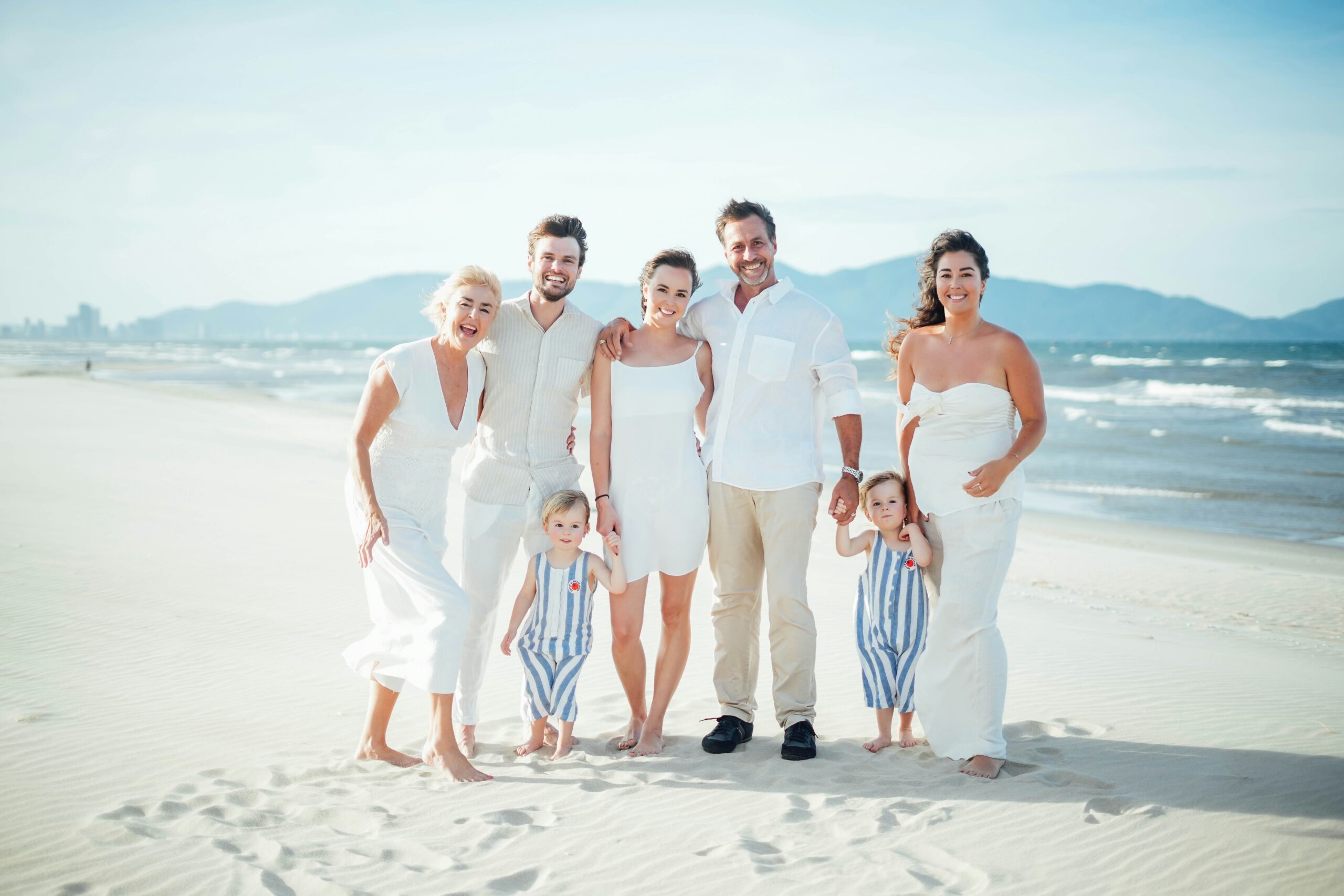

Capture it while it is still clear
There is no perfect window to begin. There is only the point where the story can still be told properly.
If it matters, it is worth documenting with care.
info@studioscribe.com.au